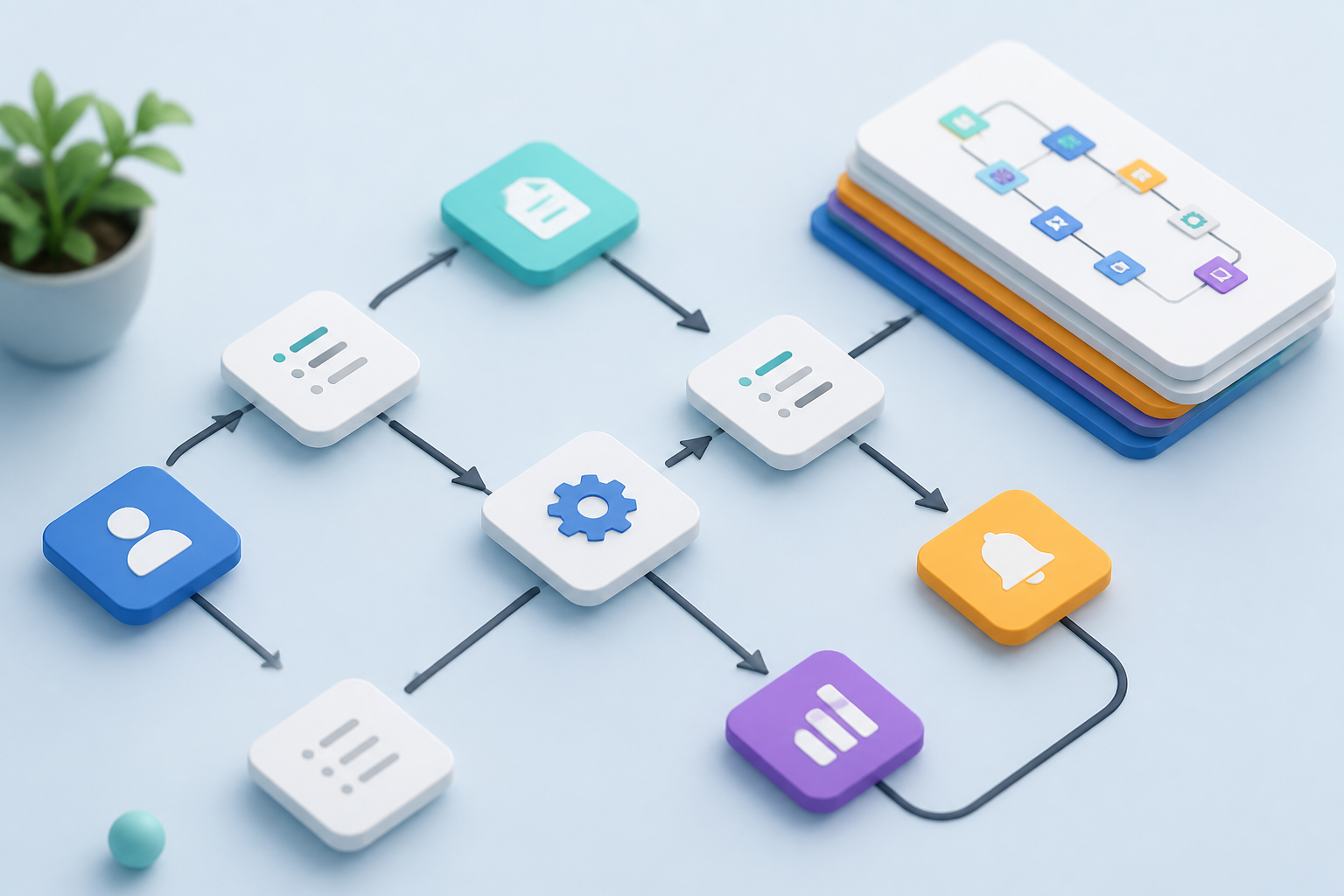
As organizations grow, scaling operations without losing efficiency becomes a critical challenge. Standardizing processes across expanding teams often leads to operational bottlenecks and communication gaps. This is where implementing automated workflow templates becomes essential. By utilizing structured blueprints, growing companies can maintain consistency, reduce manual errors, and ensure that every team member knows exactly what to do next.
Breaking Down Cross-Departmental Silos
One of the greatest hurdles in scaling is the handoff between different departments, such as Sales moving a new client over to Customer Success. Automated workflow templates bridge these gaps by automatically assigning tasks, triggering notifications, and shifting data across platforms. This seamless integration ensures that no critical information is lost in transition, fostering better cross-functional collaboration.
Customizing and Optimizing for Growth
Scaling does not mean rigid adherence to outdated processes. Modern automated task management systems allow teams to customize pre-built templates to fit evolving operational needs. As your business model shifts, these templates can be easily updated to include new steps, integrate additional software tools, or reassign roles, ensuring your workflow remains agile.
Furthermore, these templates provide valuable operational insights. By tracking how long tasks take within a standardized workflow, managers can easily identify bottlenecks and optimize resource allocation. This data-driven approach transforms static templates into dynamic instruments of continuous business improvement.
Conclusion: Build a Scalable Foundation
Ultimately, scaling your business successfully requires building a repeatable, predictable operational foundation. By embracing automated workflow templates, you empower your growing teams to collaborate effortlessly, adapt to changes swiftly, and focus on strategic initiatives rather than administrative overhead.
Leave a Reply